Sharp Pain, Burning, or Bleeding After a Bowel Movement?
Many patients search online for questions like:
“Why does it feel like glass when I poop?”
“Is this a hemorrhoid or an anal fissure?”
“Why does the pain last for hours after a bowel movement?”
“Can a compounded cream help my fissure heal?”
“What is diltiazem, nifedipine, or nitroglycerin ointment used for?”
Rectal pain and bleeding can feel really scary and embarrassing, but these symptoms are very common. Two of the most common causes are anal fissures and hemorrhoids. They can feel similar, but they are not the same condition, and they may need different treatment.
At Doctor’s Choice Pharmacy in Upland, CA, we prepare custom compounded anorectal medications prescribed by your healthcare provider, including options commonly used for anal fissures and hemorrhoid inflammation.
What Is an Anal Fissure?
An anal fissure is a small tear or cut in the skin around the anus. It often happens after constipation, straining, passing a hard stool, diarrhea, childbirth, or repeated irritation.
Many people describe fissure pain as:
- Sharp pain during bowel movements
- Burning pain afterward
- Pain that can last minutes to hours
- Bright red blood on toilet paper
- Tightness or spasm near the rectum
- Fear of going to the bathroom because of the pain
A fissure may keep reopening if the anal muscle stays tight. When that muscle spasms, blood flow to the area may be reduced, making healing harder.
What Are Hemorrhoids?
Hemorrhoids are swollen veins in or around the anus and rectum. They may be internal or external.
Common hemorrhoid symptoms include:
- Itching
- Swelling
- Pressure
- Tender lump near the anus
- Bright red bleeding
- Pain with sitting
- Mucus or irritation
- Prolapse, where tissue comes out during bowel movements
Hemorrhoids and fissures can both cause bleeding, but fissures often cause sharper “cutting” pain, especially during and after bowel movements.
Anal F
Why Does an Anal Fissure Hurt So Much?
A fissure is painful because the tear occurs in a very sensitive area. After a bowel movement, the internal anal muscle may spasm. That spasm can cause more pain and can reduce blood flow, which may slow healing.
This is why providers may prescribe medications that help relax the anal muscle, improve blood flow, and reduce pain.
Why Does My Fissure Keep Coming Back?
A fissure may keep reopening because of:
- Constipation
- Hard stool
- Straining
- Diarrhea
- Sitting too long on the toilet
- Not enough fiber or water
- Repeated irritation
- Muscle spasm
- Stopping treatment too early
- Not using the medication consistently
Many fissures need both bowel habit changes and consistent prescription treatment to improve.
What are the uses of diltiazem, nifedipine, or nitroglycerin ointment?
These medications are used to treat anal fissures by relaxing the anal muscles, improving blood flow, and promoting healing. They are often prescribed when conservative treatments have not been effective.
Is it normal to feel embarrassed about rectal pain and bleeding?
Feeling embarrassed is common, but it’s important to remember that these symptoms are widespread and treatable. Seeking medical advice can help alleviate discomfort and address any underlying conditions.
Anal Fissure vs Hemorrhoids: Key Differences
Anal Fissure
- Sharp Pain During Bowel Movement 70%
- Burning Pain After Bowel Movement 85%
- Pain Lasting Hours After Bowel Movement 92%
- Muscle Spasm 75%
- Bright Red Blood 80%
Hemorrhoids
- Itching 95%
- Sharp Pain During Bowel Movement 40%
- Lump or Swelling 65%
- Pressure or Fullness 80%
- Bright Red Blood 85%
Home Care That May Help Fissures and Hemorrhoids
Your provider may recommend supportive care such as:
- Drinking more water
- Increasing fiber
- Avoiding straining
- Avoiding sitting too long on the toilet
- Using stool softeners if recommended
- Warm sitz baths
- Gentle cleaning instead of aggressive wiping
- Avoiding constipation triggers
- Following your prescription exactly
Home care is important, but chronic fissures and painful hemorrhoid inflammation may need provider-directed treatment.
Explore Our Custom Solutions
Personalized Anorectal Relief
Diltiazem Ointment
Diltiazem ointment is commonly prescribed for anal fissures to help relax the anal muscle and support better blood flow to the area.
Patients often ask:
Is diltiazem ointment for fissures?
Yes. Providers may prescribe topical diltiazem for fissures when they want to help reduce muscle spasm and support healing.
Does diltiazem help with fissure pain?
It may help by relaxing the muscle spasm that contributes to fissure pain.
How long does it take to work?
Some patients feel improvement sooner, but fissure treatment often requires consistent use for the full time prescribed.
Nifedipine + Lidocaine Ointment
Nifedipine may be prescribed to relax the anal sphincter muscle. Lidocaine may be added to help with pain relief.
Patients often ask:
Is nifedipine better than diltiazem?
Both are used by providers for fissure treatment. The best option depends on the patient’s symptoms, medical history, provider preference, and tolerance.
Why add lidocaine?
Lidocaine may help numb the area and reduce pain while the fissure is healing.
Can I use it before a bowel movement?
Use only as directed by your prescriber. Some patients are instructed to apply medication on a schedule, while others may receive specific timing instructions.
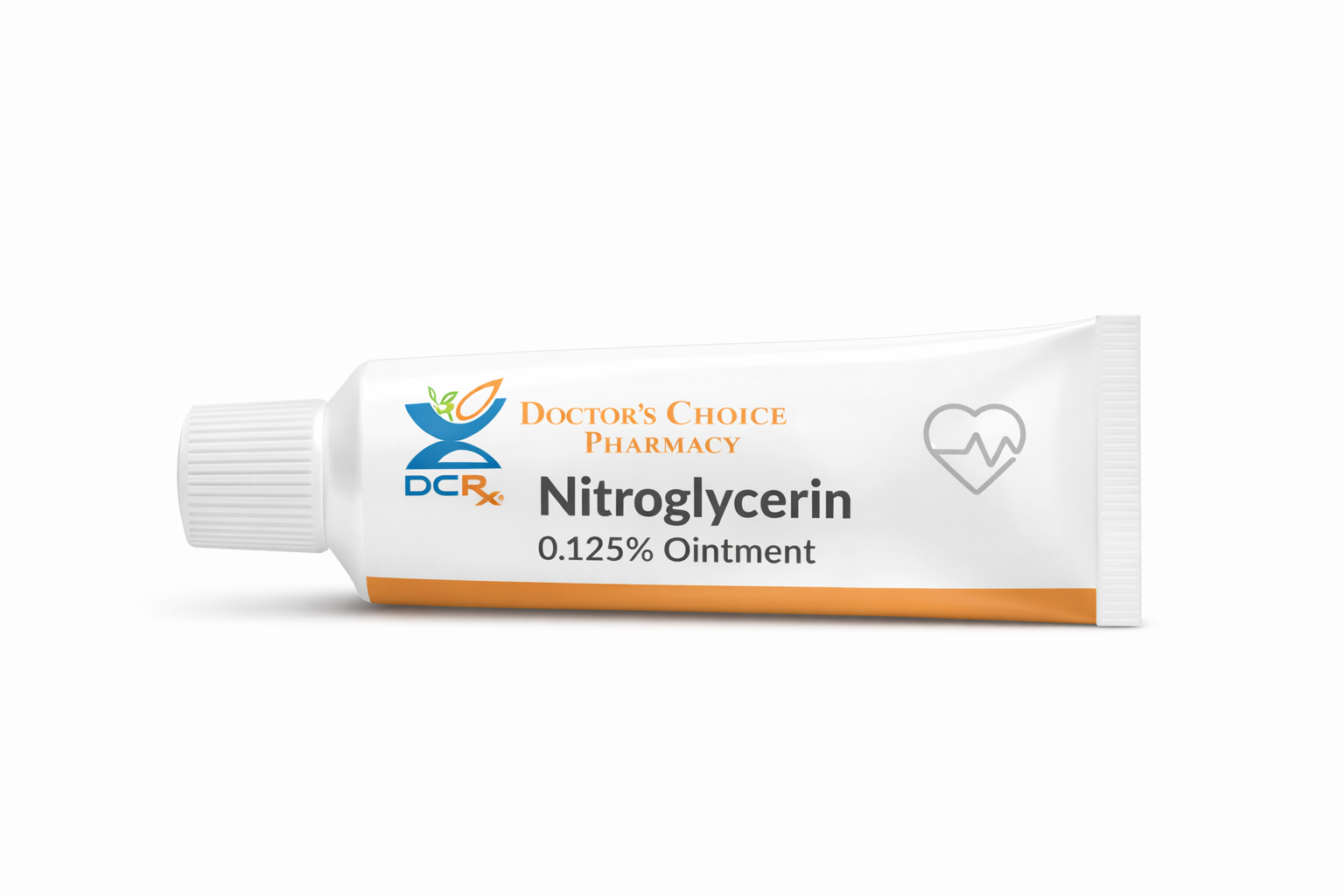
Nitroglycerin Ointment
Nitroglycerin ointment may be prescribed for anal fissure pain because it helps relax the anal sphincter and improve blood flow.
Patients often ask:
Why does nitroglycerin help fissures?
It may reduce pressure in the anal muscle and improve circulation to the fissure area.
Can nitroglycerin cause headaches?
Yes. Headache is one of the most common reasons patients have trouble tolerating nitroglycerin. Tell your provider or pharmacist if headaches are severe.
Can I use nitroglycerin if I take sildenafil, tadalafil, or other ED medications?
Do not combine nitroglycerin with erectile dysfunction medications such as sildenafil, tadalafil, or vardenafil unless your provider specifically says it is safe. This combination can cause dangerous drops in blood pressure.
Can nitroglycerin affect blood pressure?
Yes. Nitroglycerin can lower blood pressure or cause dizziness in some patients. Use exactly as prescribed.
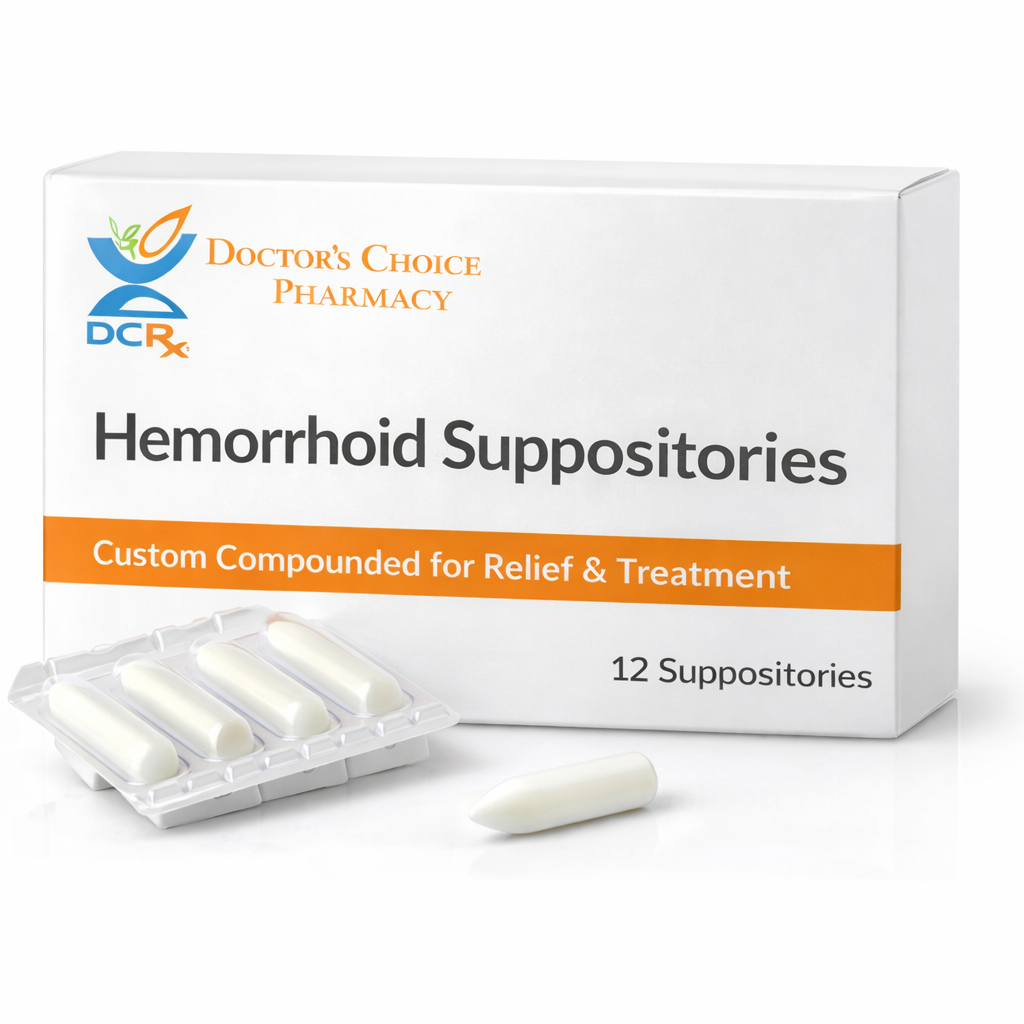
hydrocortisone + lidocaine suppositories.
For hemorrhoid inflammation, swelling, itching, and pain, providers may prescribe hydrocortisone + lidocaine suppositories.
Patients often ask:
What does hydrocortisone do for hemorrhoids?
Hydrocortisone helps reduce inflammation, swelling, and itching.
What does lidocaine do?
Lidocaine helps numb pain and discomfort.
Are suppositories better than cream?
It depends on the location of symptoms. Suppositories may be helpful when symptoms are more internal, while creams or ointments may be used for external symptoms.
Can I use hydrocortisone long-term?
Hydrocortisone should generally be used only as directed. Long-term or excessive steroid use may irritate or thin sensitive skin.
Understanding the Application Process
Step-by-Step Guide to Using Your Ointment
1
Cleanse Your Hands
Begin by thoroughly washing your hands to ensure cleanliness before application.
2
Apply the Ointment
Use a small, pea-sized amount of ointment and gently apply it as directed.
3
Follow Up
Reapply the ointment 2-3 times daily or as prescribed by your healthcare provider.
When to Seek Medical Attention for Rectal Issues
If you experience rectal pain or bleeding, it’s crucial to know when to consult a healthcare provider. Understanding the symptoms that require medical attention can help ensure timely and effective treatment.
What symptoms indicate a need for medical consultation?
Consult a healthcare provider if you experience severe pain, persistent rectal bleeding, fever, pus or drainage, a hard painful lump, or symptoms that do not improve. These could be signs of a more serious condition.
Why is rectal bleeding a concern?
Rectal bleeding can be a symptom of various conditions, including hemorrhoids, fissures, or more serious issues like colorectal cancer. It’s important not to dismiss it as ‘just hemorrhoids’ without a professional evaluation.
What are the risks of ignoring rectal symptoms?
Ignoring symptoms such as black stool, dizziness, unexplained weight loss, or changes in bowel habits can lead to complications. Early diagnosis and treatment are key to managing potential underlying conditions effectively.
How does family history affect rectal health?
A family history of colon cancer or other colorectal conditions increases your risk. It’s important to discuss your family history with your healthcare provider to determine appropriate screening and preventive measures.
What lifestyle changes can help prevent rectal issues?
Incorporating more fiber into your diet, staying hydrated, avoiding straining during bowel movements, and not sitting for extended periods on the toilet can help prevent conditions like hemorrhoids and fissures.
When should you consider a medical evaluation after age 45?
After age 45, regular screenings for colorectal health are recommended, especially if you have a family history of colorectal issues. Early detection through screenings can significantly improve treatment outcomes.
Common Questions About Anal Fissures
Anal fissures are a common condition that can cause significant discomfort. Here, we address some of the most frequently asked questions to help you understand and manage this condition effectively.
What does an anal fissure feel like?
Patients often describe the pain of an anal fissure as sharp and severe, akin to passing shards of glass. This pain typically occurs during bowel movements and can persist for some time afterward.
Can a fissure bleed?
Yes, anal fissures can lead to bright red bleeding, noticeable on toilet paper or the surface of the stool. It’s important to consult a healthcare provider for any rectal bleeding to rule out other conditions.
Can a fissure heal on its own?
Acute fissures may heal with proper care, including dietary changes and warm baths. However, chronic fissures often require medical treatment to fully resolve.
When is a fissure considered chronic?
A fissure is deemed chronic if it fails to heal after several weeks or if it frequently recurs. Such cases should be evaluated by a healthcare professional.
Why does my fissure hurt after I poop?
Post-bowel movement pain is often due to muscle spasms in the anal area, which can exacerbate discomfort and impede healing.
Should I use hemorrhoid cream for a fissure?
Hemorrhoid creams might not be effective for fissures, as they do not address the underlying muscle spasms. A healthcare provider may recommend specific ointments for fissures.
Can lidocaine help fissure pain?
Lidocaine can provide temporary pain relief, but it should be used alongside treatments that promote healing and muscle relaxation.
Is surgery always needed for a fissure?
Surgery is not always necessary. Many fissures respond well to non-surgical treatments, but persistent cases may require surgical intervention.
How do I know if I have hemorrhoids?
Hemorrhoids can cause symptoms like itching, swelling, and bleeding. Internal hemorrhoids may bleed without pain, while external ones can be painful and cause a noticeable lump.
Prescriber Rx Form for Anal Fissure & Hemorrhoid Compounds
Make prescribing easier for your office. Doctor’s Choice Pharmacy provides a convenient prescriber order form for common anal fissure and hemorrhoid compounded options.
Providers may fax the completed prescription form directly to Doctor’s Choice Pharmacy. Our team can prepare individualized compounded medications pursuant to a valid prescription for an individual patient.
Website note: Upload your Rx form PDF to WordPress Media Library, copy the PDF URL, then replace the # in the “Download Prescriber Rx Form” button.
Common Options on the Rx Form
Available quantities on the form include 30 g, 60 g, 90 g, or other provider-selected quantity. Prescriber signature, date, NPI, and refill authorization are included on the form.